
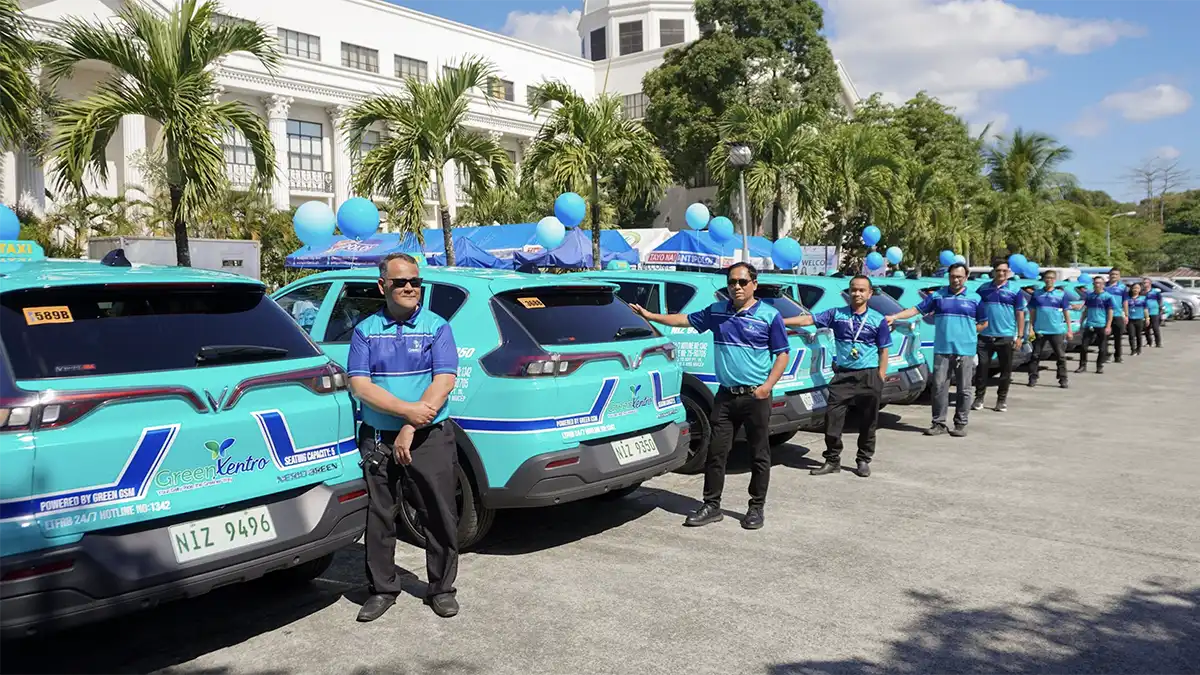
Green Xentro has begun rolling out the first phase of a 2,500-unit battery electric vehicle taxi fleet in Rizal province under a strategic partnership with global mobility platform Green GSM, marking one of the biggest electric taxi deployments in the Philippines to date.
The launch also represents the first large-scale implementation of a partner-led expansion model aimed at accelerating electric mobility adoption in emerging markets. With its scale and structured rollout, the Rizal deployment is positioned as a potential template for similar electric mobility programs across Southeast Asia.
The project builds on a memorandum of understanding signed in October 2025 between Xentro Group and Green GSM. Originally planned for 2,000 vehicles, the program has since grown to 2,500 units, signaling stronger operational confidence and a longer-term commitment from both companies. Rizal serves as the initial rollout site, with further expansion expected in Metro Manila and nearby areas.
Under the operating model, Green Xentro handles local execution, including daily operations, driver management, and market adaptation, while Green GSM supplies an integrated electric mobility platform covering electric vehicles, technology infrastructure, and standardized service protocols.
That platform is designed to deliver consistency at scale through real-time fleet monitoring, centralized safety management, and uniform service standards. Each vehicle is equipped with GPS tracking, CCTV, dashcams, and emergency features such as panic buttons, all linked to a 24/7 monitoring center. The full fleet is also backed by comprehensive insurance coverage.
For passengers, the service promises a more predictable commuting experience through fully electric, air-conditioned taxis, transparent pricing, and multiple payment options including cash and digital channels. Rides can be booked via street hail or through the Green GSM mobile app.
On the labor side, the initiative introduces a salaried driver model intended to improve income stability and professional standards in the transport sector. Drivers will receive a fixed monthly salary, performance-based incentives, statutory benefits, and structured training focused on safety, service quality, and electric vehicle operations.
The companies say the rollout is also expected to support local job creation and broader EV ecosystem growth, helped by an expanding charging network across commercial hubs within the Xentro system. As a fully electric fleet, the program aligns with national efforts to reduce emissions and improve urban air quality while supporting wider energy transition goals.
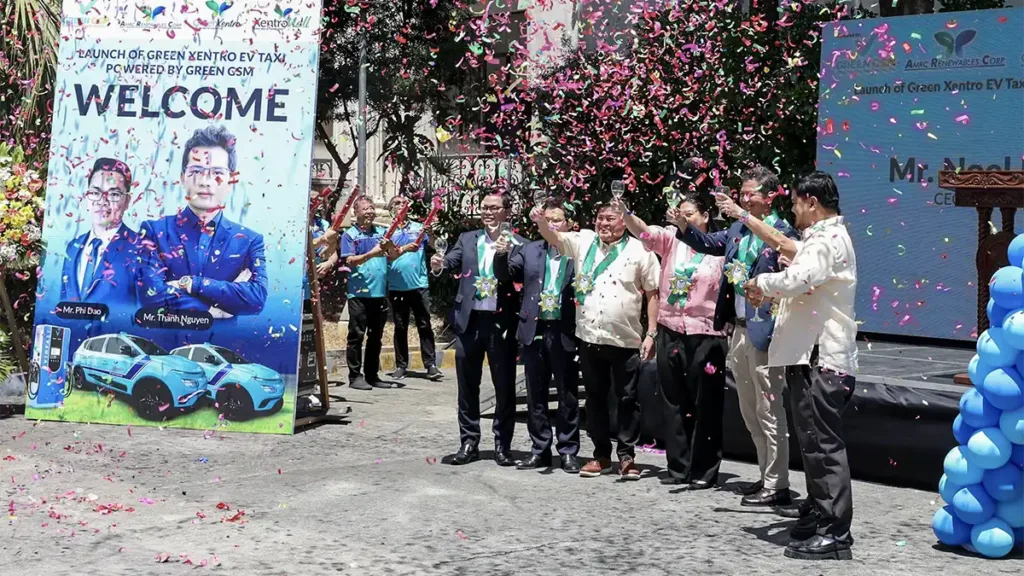
“We see this as a long-term investment in building a transport system that is more reliable, more structured, and better aligned with the needs of Filipino communities. By combining electric vehicles with a professional driver model, we are creating a service ecosystem that elevates everyday journeys while also improving the quality of livelihoods for drivers. Over time, we believe this approach can help set a new standard for public transport one that balances efficiency, sustainability, and human-centered service,” said Noel M. Ignacio, CEO of Green Xentro.
“This is not just a fleet deployment. It represents the early stage of a scalable model where strong local partners lead market execution, while Green GSM enables growth through a unified electric mobility platform. We believe this approach can unlock a more practical pathway to green mobility—one that is not only scalable, but also adaptable to the realities of emerging markets. By combining global standards with local expertise, we aim to accelerate adoption in a way that is both commercially viable and operationally sustainable over the long term,” said Dao Quy Phi, Managing Director of Green GSM Southeast Asia.
Green Xentro is among the first international partners to adopt the Green GSM operating model, which was developed and refined in Vietnam through collaboration with multiple stakeholders. Its Philippine debut marks a key step in the model’s global expansion, adapted to local market conditions while maintaining common standards for safety, service quality, and user experience.