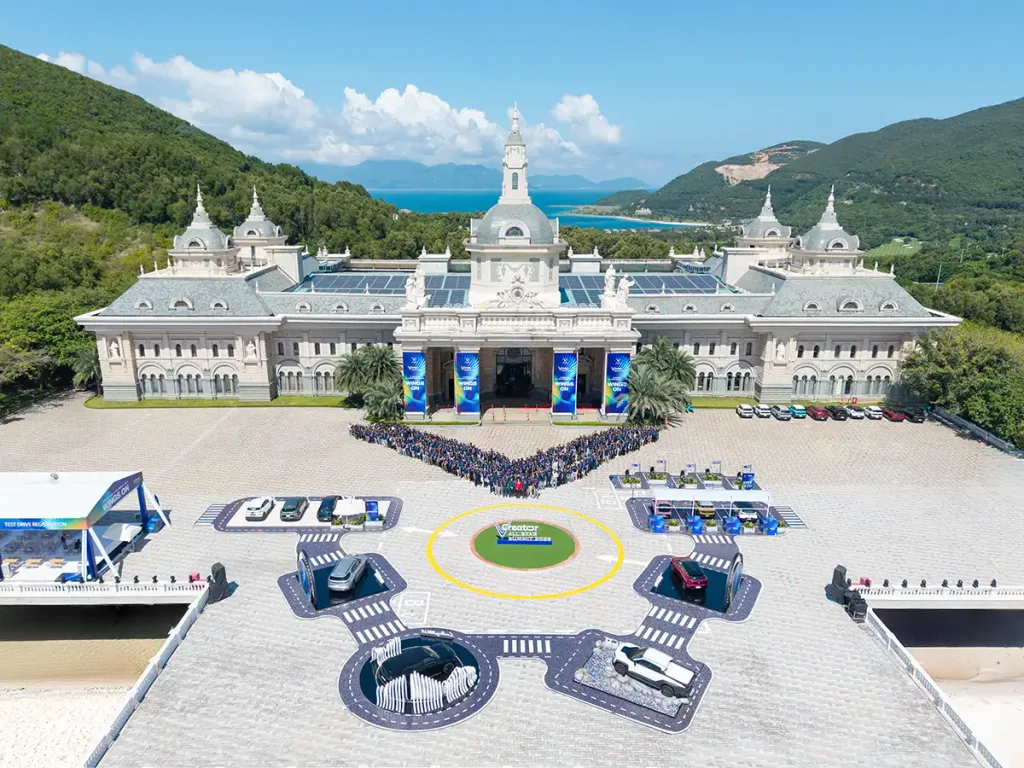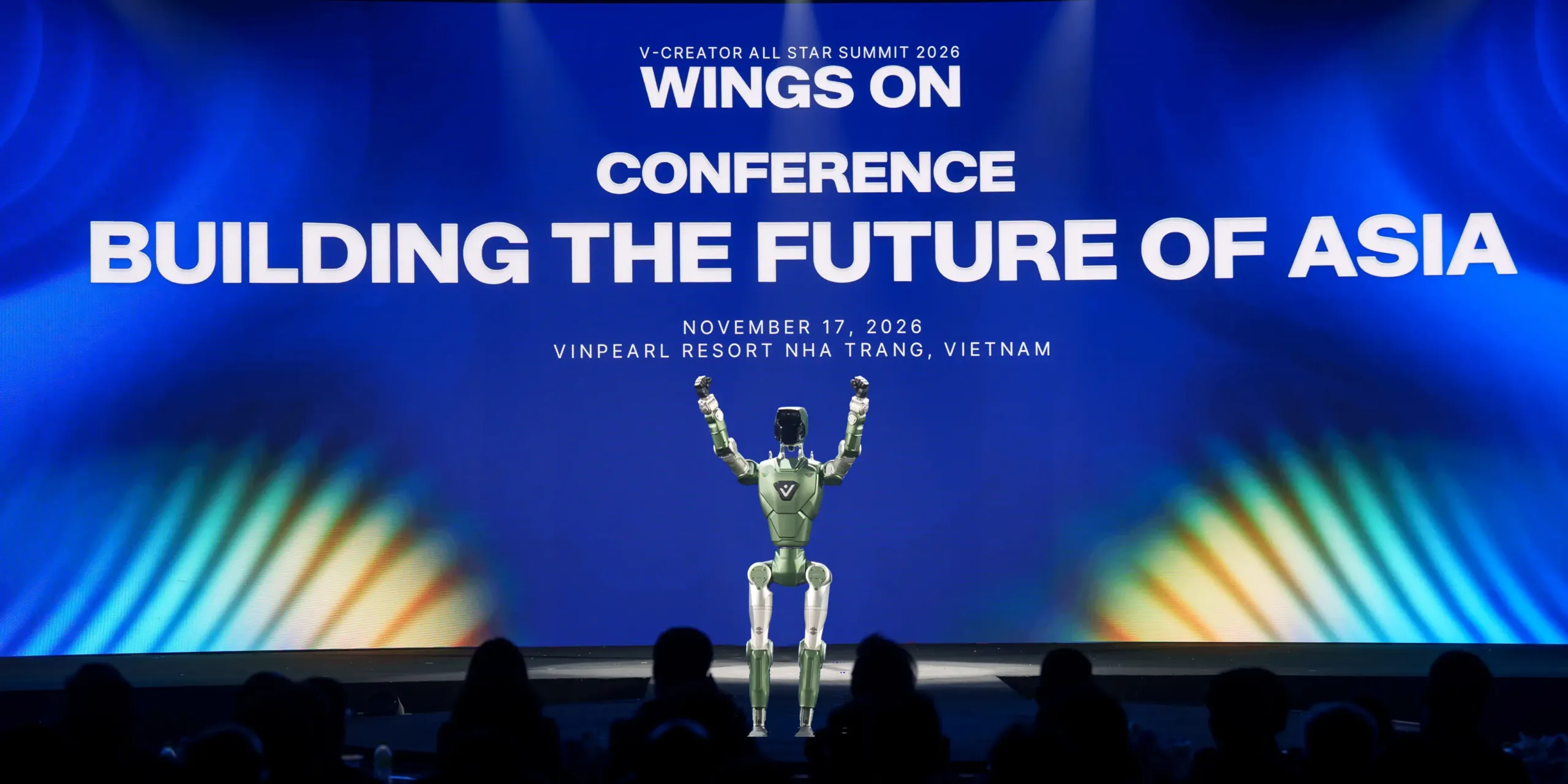
VinFast and parent group Vingroup brought more than 500 international participants to Vietnam for the V-Creator All Star Summit 2026, a five-day program on the technologies and market shifts reshaping mobility.
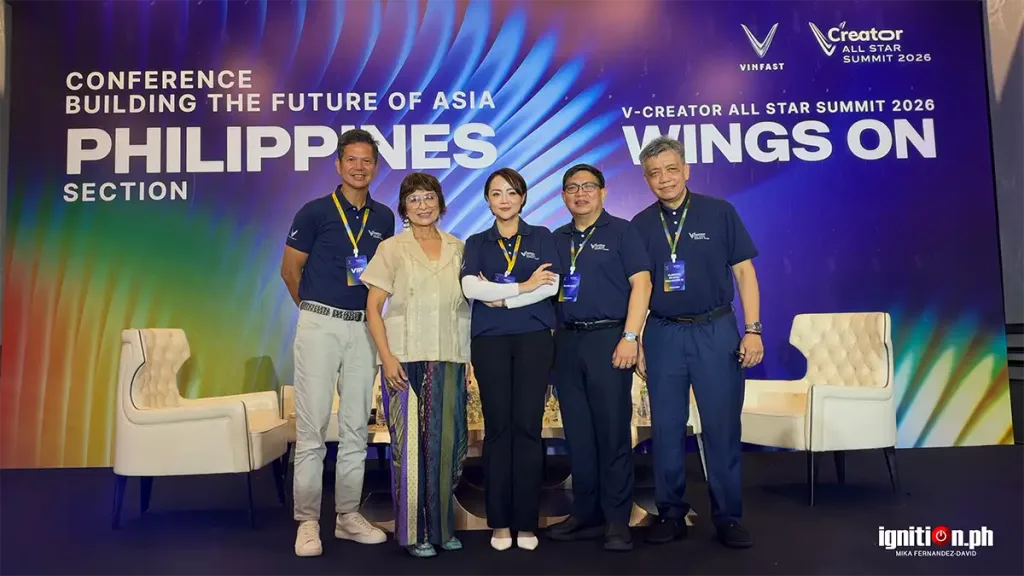
Held at Vinpearl Resort Nha Trang under the theme “Building the Future of Asia,” the program included an international conference on November 17. Technology executives, researchers, VinFast leaders, journalists and content creators from the Philippines, India, and Indonesia took part.

The conference looked beyond vehicle launches and specifications. Its speakers discussed how artificial intelligence (AI), advanced driver assistance systems (ADAS), automated driving and software-defined vehicles could change the automotive business. They also examined the commercial challenges of expanding electric vehicle (EV) adoption across Asian markets with different infrastructure, regulations and consumer priorities.
AI and intelligent vehicles
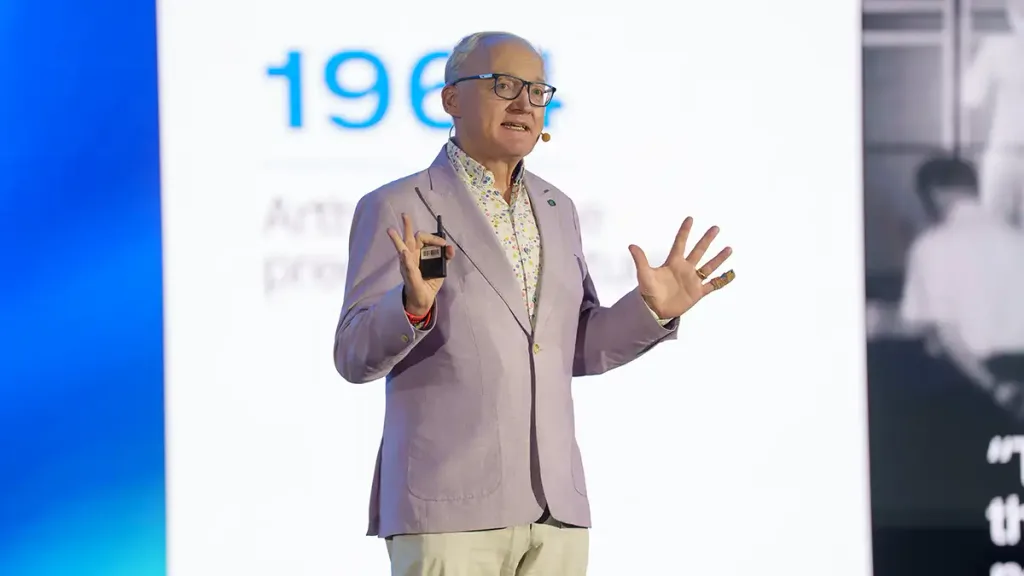
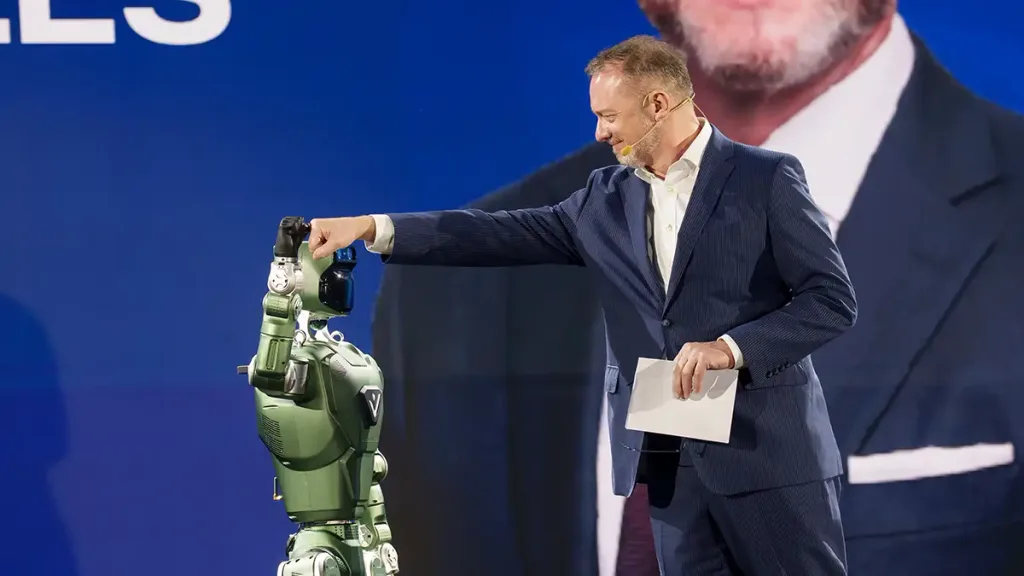
Professor Toby Walsh, a Scientia Professor at the University of New South Wales in Australia, examined AI’s impact on industries and the sources of competitive advantage it may create.
His session, “From AI to the Future of Mobility: How Intelligence Is Reshaping Industries,” considered how businesses can turn AI advances into commercially useful applications. For the automotive sector, that means identifying where the technology can improve products and services, then developing ways to deploy it at scale.
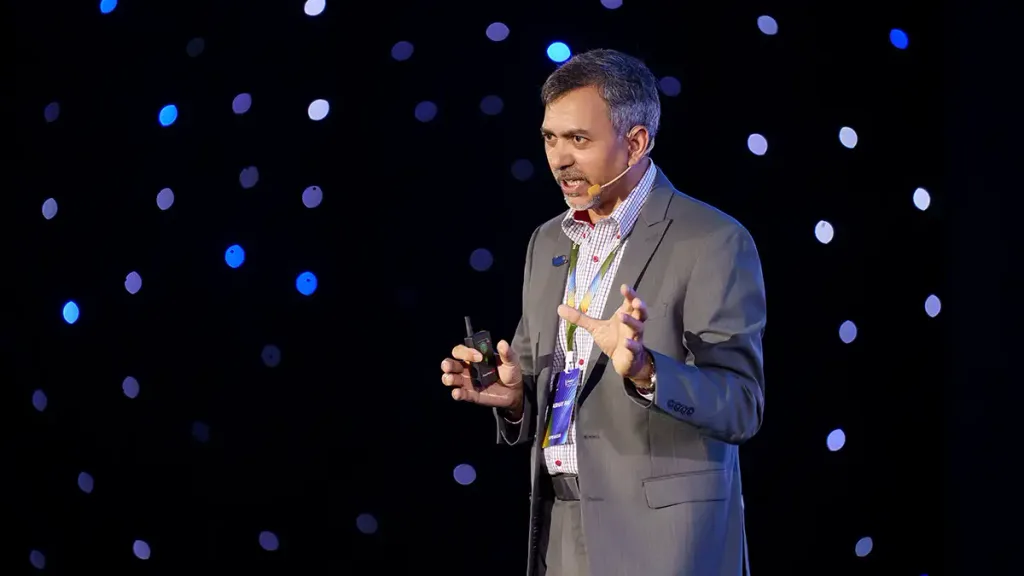
Abhay Rai, Vice President of ADAS Product Management at Qualcomm, discussed the evolution of driver assistance and automated driving. His presentation explored the roles of AI, high-performance computing and software-defined vehicle architectures in developing increasingly capable systems.
The discussion also addressed the practical demands of bringing those systems to market. Automakers need to make advanced driving technologies safe and reliable, while managing their cost and ensuring they can work across different vehicle segments.
Together, Walsh and Rai placed automotive technology within a broader shift in computing and AI. Their sessions linked the direction of technological development with the harder questions of implementation, affordability and commercial use.

VinFast on EV adoption and ownership
Tapan Ghosh, CEO of VinFast Asia, discussed the company’s evolution from a Vietnamese automaker into an international electric mobility brand. His presentation focused on what could make EVs a practical and appealing option for mainstream buyers.
He addressed factors beyond the vehicle itself, including affordability, charging infrastructure, ownership policies and customer support. Those elements can influence adoption as much as vehicle technology, particularly in markets where infrastructure and household budgets vary.
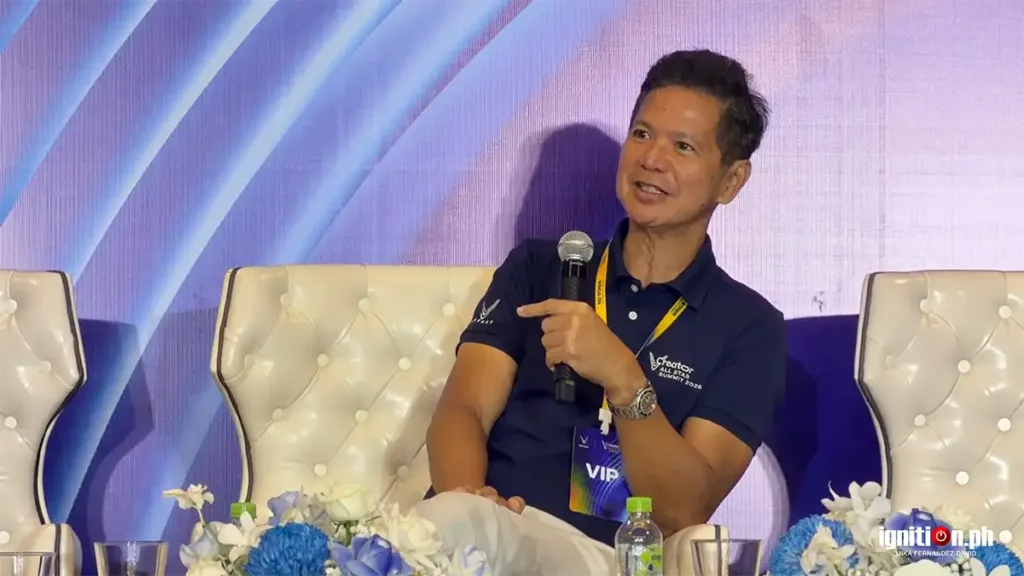
Ghosh also joined Antonio “Toti” Zara, CEO of VinFast Philippines, to share perspectives on the company’s growth opportunities across Asia. India, Indonesia and the Philippines are important markets in VinFast’s expansion strategy. Each presents different requirements for distribution, charging access, customer experience and ecosystem development.
Their contributions brought the conference’s technology discussions closer to market realities. EV adoption depends not only on what a vehicle can do, but also on whether customers can afford it, charge it conveniently and receive reliable support.
VinFast outlines its driver-assistance work
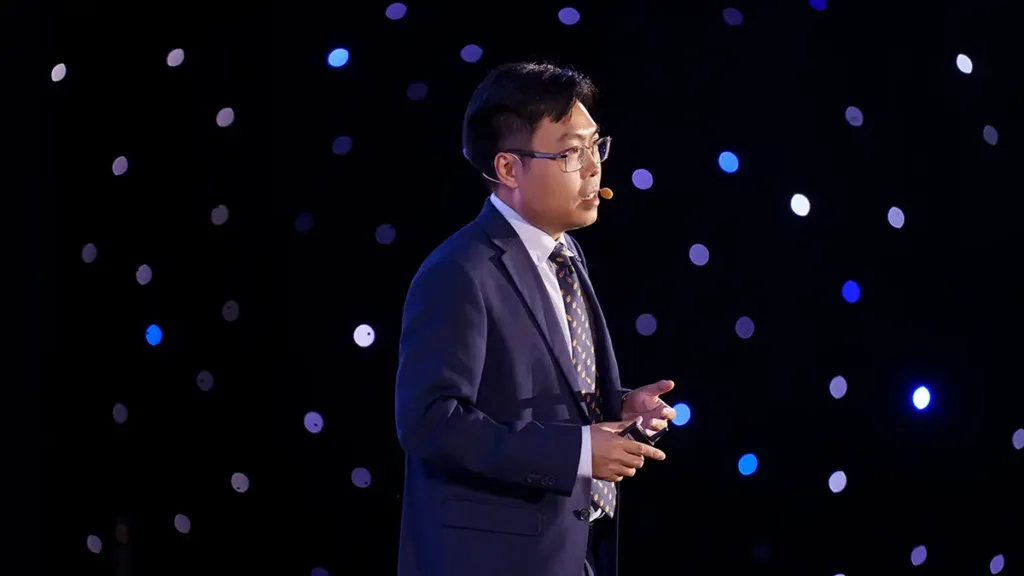
Professor Dr. Van Duong Nguyen, a senior VinFast executive specializing in ADAS and autonomous driving, discussed the company’s development of Level 2 and Level 2+ driver-assistance systems.
His session also covered emerging approaches involving end-to-end AI, Vision-Language-Action models and Agentic AI. Nguyen addressed the decisions involved in developing intelligent vehicles, from computing needs and data availability to system performance, cost and safety.
The presentation connected broader advances in AI with the engineering demands of automotive product development. New systems must be designed to meet real-world requirements, not just demonstrate technological capability.
A broader format for automotive media
The summit’s agenda differed from a traditional automotive media event, which often centers on new models, product specifications or company announcements. V-Creator instead brought together expertise from technology, academia, business and regional automotive markets.
That format gave participating journalists and creators access to specialist discussions and direct exchanges with industry leaders. It also reflected how the boundaries between automaking, software, AI, energy infrastructure and consumer technology are becoming less distinct.
For Vingroup, the gathering was an opportunity to connect international business, technology and media communities in Vietnam. The scale of the program and range of participants also point to the group’s ambition to play a wider role in conversations about the future of mobility.
The summit could provide a foundation for a recurring international forum, bringing together automotive and technology leaders, researchers, policymakers and media professionals to discuss the practical challenges of the mobility transition.
For VinFast, those challenges include making EVs accessible in markets with differing needs and developing intelligent vehicle technologies that can meet commercial and safety demands. The conference’s discussions highlighted a central issue for the industry: progress will depend not only on technological advances, but also on how effectively companies adapt them to customers and local markets.